Kitchen Traditions & Everyday Habits

What Biblical drink (oil)/ Honey blend Reveals About the Quiet Ritual After Every Meal

Long before glucose monitors and meal-tracking apps existed, kitchens leaned on a warm pour after eating — a habit tied to Biblical drink (oil)/ Honey blend. This page looks at where that tradition came from and how people built routines around meals, alongside — never instead of — the guidance of the healthcare provider who already knows their history.

Everyday Nutrition  ·  Daily Habits  ·  Educational Content  ·  Kitchen Traditions

The Gap Between What You Planned and What Actually Happens

Most mornings start with a reasonable plan — a balanced breakfast, a measured lunch, maybe a walk afterward. Then the day happens. The gap between the meal you intended to eat and the one you actually ate, rushed and half-thought-out, is where a lot of frustration quietly builds.

The Weight of Deciding Every Single Meal

Three times a day, the same question resurfaces: what should this plate actually look like? For anyone paying close attention to how food affects their day, that repeated decision-making adds up to real mental fatigue, long before the fork ever touches the plate.

Too Much Conflicting Advice, Not Enough Clarity

One source says avoid all carbohydrates. Another says fruit is fine in moderation. A third insists on cutting entire food groups. Sorting through it without a clear framework leaves many people more confused after reading than before.

The Post-Lunch Energy Rollercoaster

A satisfying lunch is followed, an hour later, by a heaviness that makes concentrating difficult. It is a familiar pattern for people watching what and how they eat — the sense that energy rises and falls in ways that don't match the effort put into planning the meal.

Morning Fatigue That Doesn't Match a Full Night's Sleep

Waking up tired despite reasonable sleep is one of those small, recurring frustrations that rarely gets discussed directly — yet it shapes how the rest of the day, and the choices made within it, tends to unfold.

Separating Kitchen Folklore from What's Actually on the Plate

Kitchen wisdom travels fast and sticks around long after it’s been questioned. A few of the most common beliefs about carbohydrates, fruit, and so-called “diabetic food” deserve a closer, calmer look.

MYTH

All carbohydrates are the enemy and should be eliminated entirely.

FACT

Carbohydrates are a broad category that includes vegetables, whole grains, and refined sugar alike. The conversation about which carbohydrates, in what form and what portion, belongs with a qualified professional — not a blanket rule pulled from a headline.

MYTH

Fruit is basically sugar, so it should be avoided altogether.

FACT

Fruit comes packaged with fiber, water, and a range of nutrients that behave differently than an isolated sugar source. How fruit fits into someone’s overall eating pattern is a personal question worth discussing with a doctor or dietitian, not a yes-or-no verdict.

MYTH

There is a special category of ‘diabetic food’ that solves the problem.

FACT

Most items marketed this way are simply reformulated snacks. There is no single food or product that manages a health condition on its own — real routines are built from consistent habits, not a label on a package.

Three Habits Worth Building Around Every Meal

None of these are rules or prescriptions. They are habits some people find worth experimenting with, always in conversation with whoever oversees their care.

01

Consider the Order Things Land on the Plate

Some traditional eating patterns start with vegetables, move to protein, and finish with starches. It is a sequencing habit, not a formula — one small structural choice among many that can be discussed with a nutrition professional.

02

Slow Down the Pace of the Meal Itself

Eating quickly and eating slowly are simply two different experiences at the table. Taking more time, chewing with more attention, and pausing between bites are habits many people find easier to sustain than dramatic dietary overhauls.

03

Add Gentle Movement After Eating, Not Before

A short, easy walk after a meal — nothing intense — is a tradition found across many cultures. It’s a low-effort habit worth mentioning to a doctor when discussing an overall daily routine.

A Tradition Older Than the Modern Kitchen

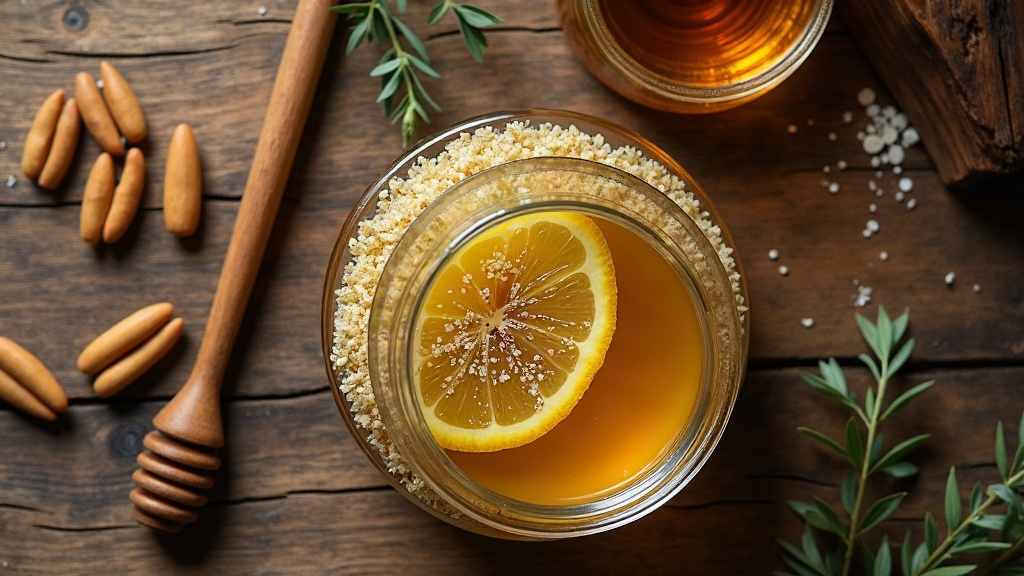
Honey and pressed oils appear throughout ancient Mediterranean and Middle Eastern texts, often side by side in the same passages that describe bread, wine, and shared tables. Biblical drink (oil)/ Honey blend refers to that historic pairing — oil and honey stirred together or drizzled over warm bread, sometimes folded into a cup taken after the meal had ended, as part of closing out a shared dinner rather than starting one. Olive groves and beehives were fixtures of the same households, and blending their yields was as much a culinary custom as a practical one, tied to what was on hand at the end of a harvest season. In many of these households, the after-meal pour marked a transition — the signal that the table was closing, that conversation could continue a little longer, that the day’s main meal was, in a cultural sense, complete.

This is a story about cuisine and custom, not a claim about how food behaves in the body. Anyone curious about incorporating a historic ingredient into their own kitchen should still run it by the doctor who already knows their full health picture before changing anything about their diet or routine.

Six Everyday Moments Worth Mentioning to Your Doctor

Energy That Dips at the Same Time Every Afternoon

If a particular time of day consistently brings a noticeable slump, that pattern is worth describing in detail at your next appointment, rather than working around it quietly on your own.

Waking Up Tired More Days Than Not

Persistent morning fatigue, even after a full night's sleep, is the kind of detail your healthcare provider can help place in the context of your broader routine.

Uncertainty About Portion Sizes at Every Meal

If deciding how much to put on the plate feels like guesswork every time, a registered dietitian or your physician can help build a framework that fits your actual life.

Meals That Keep Shifting Later and Later

An eating schedule that drifts further from day to day is worth mapping out loud with your doctor, since timing is one of many factors they may want to know about.

New or Unusual Sensations After Eating

Any new physical sensation that shows up consistently after meals deserves a direct conversation with the professional who already manages your care — not a guess based on something read online.

Questions About Any Part of a Current Treatment Plan

If anything about a prescribed plan feels unclear or hard to follow, the right next step is always a conversation with your doctor — never adjusting or pausing anything on your own.

How Some People Talk About Their Meal Routines

I stopped trying to overhaul everything at once. Slowing down at dinner and thinking about the order I eat things in made the whole evening feel less rushed — that's really the extent of what changed for me.

Marisol Endo
Illustrative account
Reading about old kitchen traditions, including things like Biblical drink (oil)/ Honey blend, made mealtime feel less like a chore and more like something worth paying attention to again. I still run every change by my doctor first.
Desmond Achebe
Illustrative account
The short walk after dinner became a habit before I even noticed it. Nothing dramatic — just a small shift in how the evening wound down.
Priya Sundaram
Illustrative account

These are illustrative accounts shared for general context. Names are fictitious, and individual routines, habits, and experiences vary. Nothing here describes a medical outcome, and no results are implied or guaranteed.

Curious About the Tradition Behind Biblical drink (oil)/ Honey blend?

This page is an educational look at a historic kitchen custom — not a treatment, not a fix, and not a substitute for medical care. Before changing anything about your diet, routine, or prescribed treatment, talk it through with the healthcare professional who already knows your history.

Advertising Disclosure: This page contains sponsored content and affiliate links. We may receive compensation if you click a link or make a purchase through the links provided on this site. This helps support the operation of this website at no additional cost to you.

Content Disclaimer: The information on this page is provided for educational purposes only and has not been evaluated by the Food and Drug Administration. It is not intended to diagnose, treat, cure, or prevent any disease or health condition, and it is not a substitute for professional medical advice, diagnosis, or treatment. Always consult a qualified healthcare professional before making any changes to your diet, routine, or any prescribed treatment.

Results Disclaimer: Individual results vary. Any testimonials, stories, or examples shared on this page reflect personal experiences and are not a guarantee of any particular outcome for you or anyone else.

© 2026 · All Rights Reserved